Introduction
Getting started with core workouts basics is essential for any fitness journey, whether you’re aiming for improved posture, better balance, or enhanced strength. A strong core supports nearly every movement, stabilizing your body and protecting you from injury. This guide will walk you through 7 simple moves perfect for beginners, helping you to build a solid foundation in core strength. Each exercise has been chosen for its accessibility and effectiveness, making it easier to incorporate core workouts basics into your routine.
Table of Contents
ToggleWhy Focus on Core Workouts Basics?
Understanding core workouts basics is crucial as the core isn’t just about abs—it includes the entire trunk, encompassing muscles in the front, back, and sides. These muscles support your spine, improve posture, and enable fluid, balanced movement. For beginners, mastering these basics can create a strong foundation for advancing to more complex exercises.
Studies show that core strength is directly linked to improved athletic performance and reduced lower back pain (source: National Institute of Health, link here). Building your core with foundational exercises will lead to noticeable benefits, helping you progress safely.
1. Plank
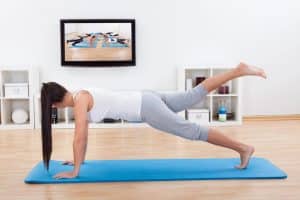
The plank is one of the most straightforward yet effective core workouts basics. By engaging multiple muscles at once, it builds strength throughout your core.
- How to Perform: Begin on your hands and knees. Step your feet back, keeping your body in a straight line from head to heels. Engage your core, tighten your glutes, and hold for 20–30 seconds, gradually increasing as you gain strength.
- Benefits: Planks improve stability and endurance while working your entire core.
By including planks in your routine, you’re embracing core workouts basics that form the foundation of more advanced exercises.
2. Bird Dog
The bird dog is excellent for beginners, focusing on core stability while incorporating balance and coordination. It’s a perfect addition to core workouts basics, activating both the front and back muscles.
- How to Perform: Start on your hands and knees. Extend your right arm forward and left leg back, keeping both straight. Engage your core, hold for a second, and return to the start. Repeat on the opposite side.
- Benefits: This move enhances core stability, helping with balance and coordination.
Using the bird dog as part of your core workouts basics will help with daily activities that require balance and a stable core.
3. Dead Bug
The dead bug is a safe and effective exercise that isolates core muscles, teaching you to stabilize your spine. This exercise is ideal for mastering core workouts basics as it works on controlled movements.
- How to Perform: Lie on your back, raising your arms toward the ceiling and bending your knees at a 90-degree angle. Slowly lower your right arm and left leg toward the ground, then return. Repeat on the other side.
- Benefits: The dead bug promotes a stable core, preventing unnecessary movements that could lead to injury.
Incorporating the dead bug into your routine is an excellent way to build core strength while honing your control and precision.
4. Glute Bridge
Glute bridges are an essential part of core workouts basics, as they target not only the core but also the glutes, which support core strength. This move helps correct poor posture and relieves lower back strain.
- How to Perform: Lie on your back with knees bent, feet flat on the floor. Squeeze your glutes and lift your hips toward the ceiling, forming a straight line from shoulders to knees. Lower down and repeat.
- Benefits: The glute bridge activates core and glute muscles, enhancing stability and strength.
Including glute bridges in your core workouts basics will help improve both core strength and lower body support.
5. Russian Twist
The Russian twist introduces rotational movement to your core workouts basics, working your obliques and challenging stability. This exercise is a great addition as it diversifies the types of core engagement.
- How to Perform: Sit on the floor with your knees bent. Lean back slightly, keeping your back straight, and hold a weight or just clasp your hands. Twist your torso to the right, then left.
- Benefits: Russian twists engage the oblique muscles, building rotational strength and balance.
Adding the Russian twist to your core workouts basics will enhance your ability to stabilize and control twisting movements.
6. Mountain Climbers
Mountain climbers are dynamic, bringing cardio into your core workouts basics routine. They work your abs, shoulders, and legs while increasing heart rate, making it both a core and cardio exercise.
- How to Perform: Start in a plank position. Quickly bring your right knee toward your chest, then switch to bring the left knee forward, alternating in a running motion.
- Benefits: Mountain climbers build endurance, strength, and coordination while targeting the core.
This exercise intensifies core workouts basics, adding a cardio boost and working stabilizing muscles.
7. Leg Raises
Leg raises are excellent for lower core engagement, ideal for those wanting to focus on core workouts basics without adding excessive strain to the back. This move strengthens the abdominal muscles and improves lower core control.
- How to Perform: Lie on your back with your hands by your sides. Keep your legs straight and lift them toward the ceiling, then slowly lower them back down without letting your feet touch the ground.
- Benefits: Leg raises help in lower abdominal strength, which is often a weaker area for beginners.
Integrating leg raises into core workouts basics will improve core balance, especially in the lower abdominal region.
Putting It All Together
When it comes to core workouts basics, the best approach is consistency. Start with these exercises three times a week, ensuring you’re engaging your core with each movement. Focus on form over intensity initially, gradually increasing the number of repetitions or the hold time. Always prioritize quality over quantity.
A balanced core workout routine doesn’t just strengthen the muscles; it promotes overall fitness and supports daily activities. When you master these basics, you’ll find it easier to advance to more challenging exercises.
Additional Tips for Core Workouts Basics Success
- Engage Your Core: Remember to keep your core engaged for every exercise. This means tightening your core muscles as if bracing for impact.
- Maintain Consistency: Results come with regularity. Stick to a routine for at least a few weeks to notice improvements.
- Prioritize Form: Poor form can lead to injury. Ensure you’re performing each movement correctly before adding difficulty.
- Incorporate Rest Days: Your muscles need time to recover, so incorporate rest days to avoid overuse injuries.
Why Core Workouts Basics Matter for Daily Life
The benefits of mastering core workout basics extend beyond fitness goals. A strong core enhances posture, reduces back pain, and improves balance, which is especially important as we age. Furthermore, a stable core supports various daily activities, from lifting and carrying to simple tasks like bending and standing.
According to a study from the American Council on Exercise , core stability is key to maintaining overall physical health and preventing injuries. By starting with these basics, you’re setting yourself up for a strong, healthy future.
Conclusion
Starting with core workout basics is an excellent way to build strength and stability in your body. These 7 beginner-friendly exercises provide a comprehensive introduction to core training, ensuring you can progress safely and effectively. Remember, consistency and form are essential—stick with these moves, and soon, you’ll notice increased strength, balance, and control.
As you gain confidence with these basics, feel free to explore more advanced exercises. Always keep core engagement and stability as your priority. Embrace the process, and enjoy the journey to a stronger, healthier you.